 中文
中文
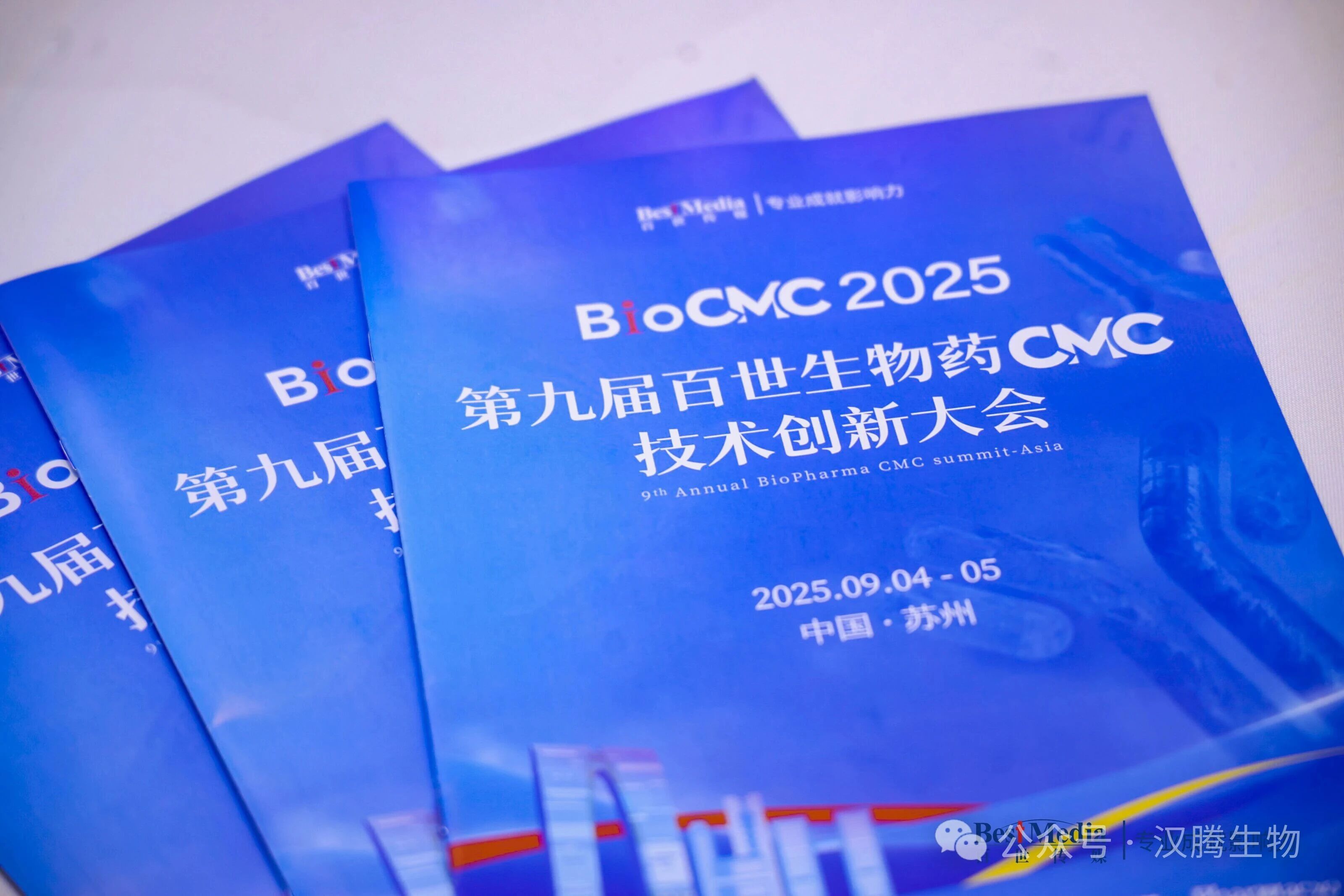
On September 4–5, 2025, the 9th BioCMC Conference was successfully held at the Shangri‑La Hotel in Suzhou. The conference focused on the core challenges of biologics industrialization, covering cutting‑edge areas such as AI technology applications, antibody protein drugs, stem cells, and exosomes, with in‑depth analysis of technological innovations across the entire process from early R&D to commercial production.
At Sub‑forum 2: Upstream Summit, Dr. Liu Songkai, Senior Vice President of Business Development at Canton Biologics, was invited to deliver a keynote speech titled “CMC Development of TCR Bispecific Fusion Proteins,” sharing Canton Biologics’ technological breakthroughs and practical experience in TCR therapy.
Part 1: Unique Advantages of TCR Therapy
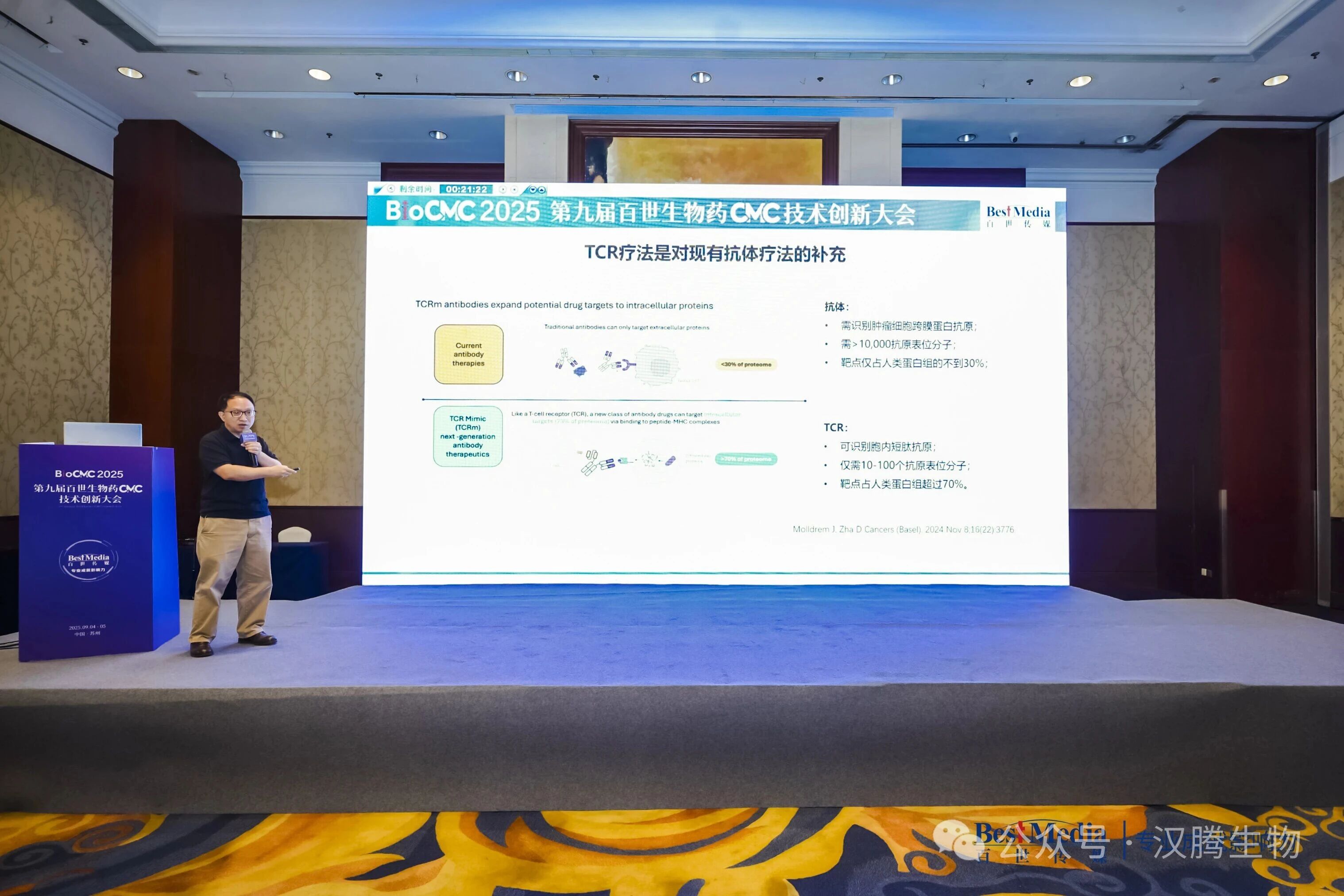
Dr. Liu pointed out that TCR therapy is an important complement to existing antibody therapies:
-
Broader target range: Recognizes intracellular short‑peptide antigens, covering >70% of the human proteome.
-
Higher recognition efficiency: Requires only 10–100 epitope molecules to exert an effect.
-
Dual mechanism of action: Direct tumor killing and “epitope spreading,” working synergistically to achieve anti‑tumor effects.
Part 2: Challenges in CMC Development of TCR Bispecific Antibodies
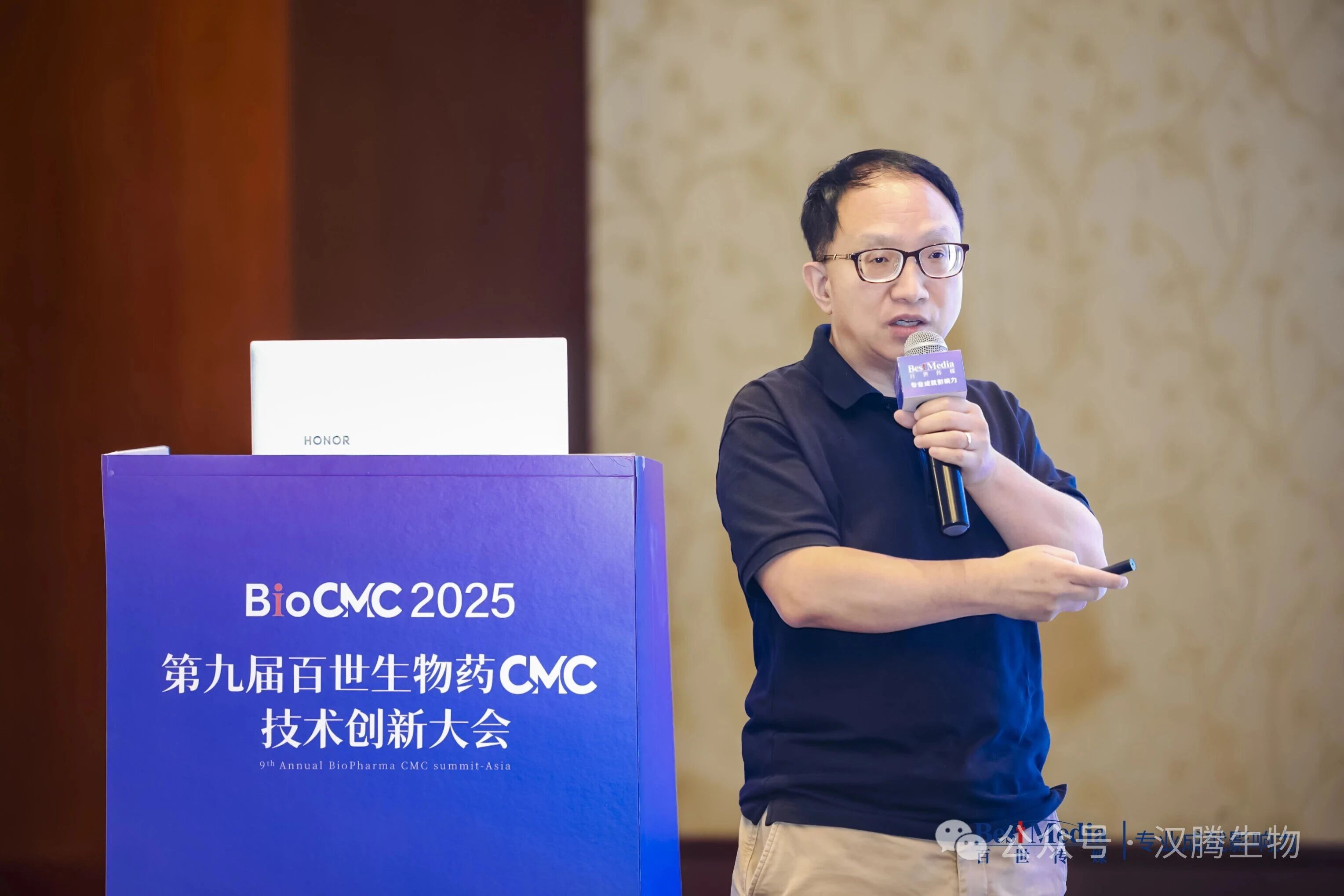
Dr. Liu detailed the key technical challenges in TCR bispecific development:
-
Molecular design complexity: Non‑natural structure, poor stability.
-
Manufacturing challenges: Low expression levels, high aggregation rates, multiple fragments.
-
High analytical requirements: Need to monitor both antibody and TCR domain characteristics simultaneously.
-
Biosafety considerations: Off‑target toxicity, cytokine release syndrome (CRS) risk management.
Part 3: Canton Biologics’ Technological Breakthroughs
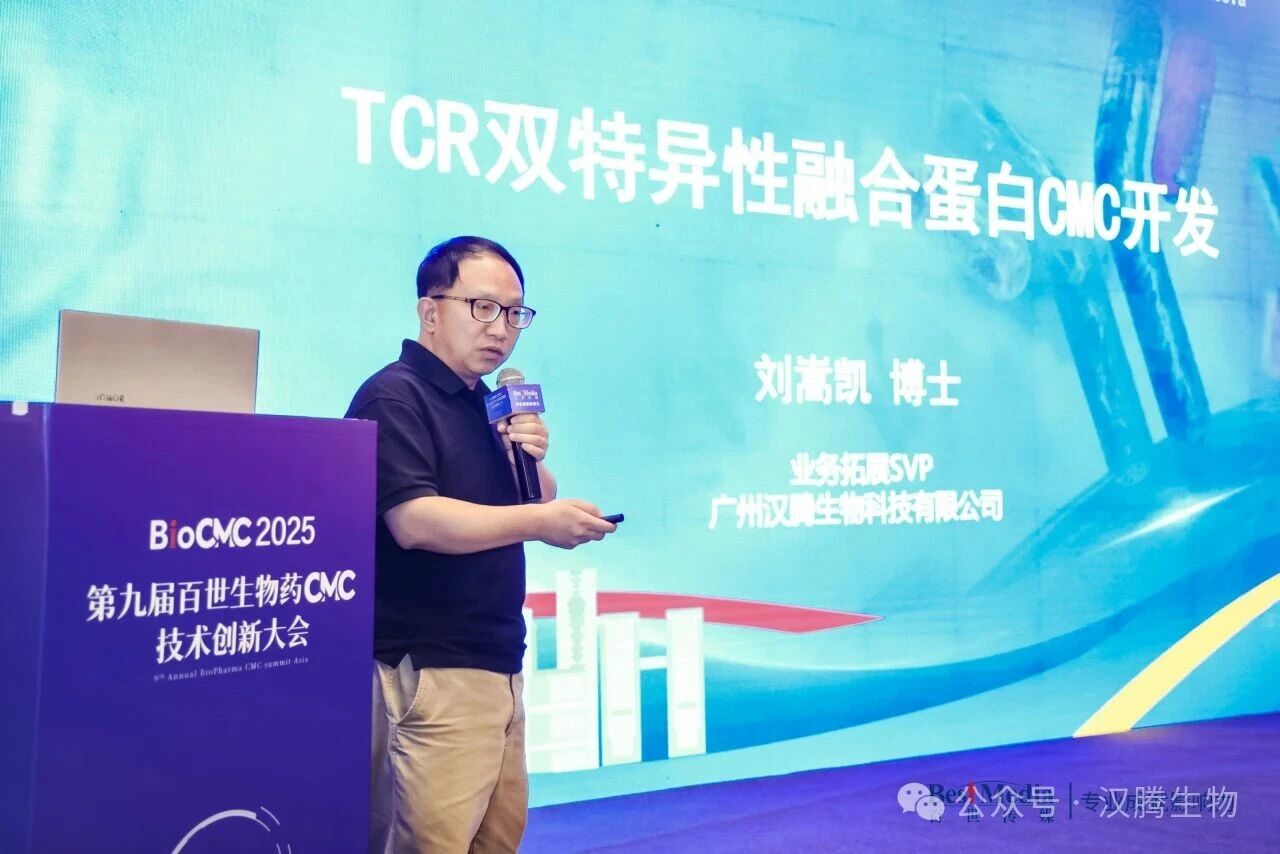
Dr. Liu shared several technical measures for developing TCR bispecific fusion proteins:
-
Molecular structure optimization: Reduced high‑molecular‑weight aggregate expression through analytical improvements.
-
Significantly increased expression levels.
-
Upstream process development: Further improved expression levels and achieved high‑quality production.
-
Aggregate removal technology: Added a proprietary additive to the IEX elution buffer; SEC purity increased by 17%, recovery rate increased by 16%.
-
Formulation optimization: Reduced aggregate formation during long‑term storage; improved stability of protein cell activity at 40°C accelerated conditions; maintained stable CD3 binding activity results.
Part 4: High‑Quality Production Data Exceeding Client Expectations
Leveraging its mature technology platform and extensive project experience, Canton Biologics has achieved remarkable results in the development of TCR bispecific fusion proteins, with all production data exceeding client expectations. Notably, the supernatant titer reached >5 g/L for both engineering batches and GMP batches.
Part 5: Roundtable Discussion
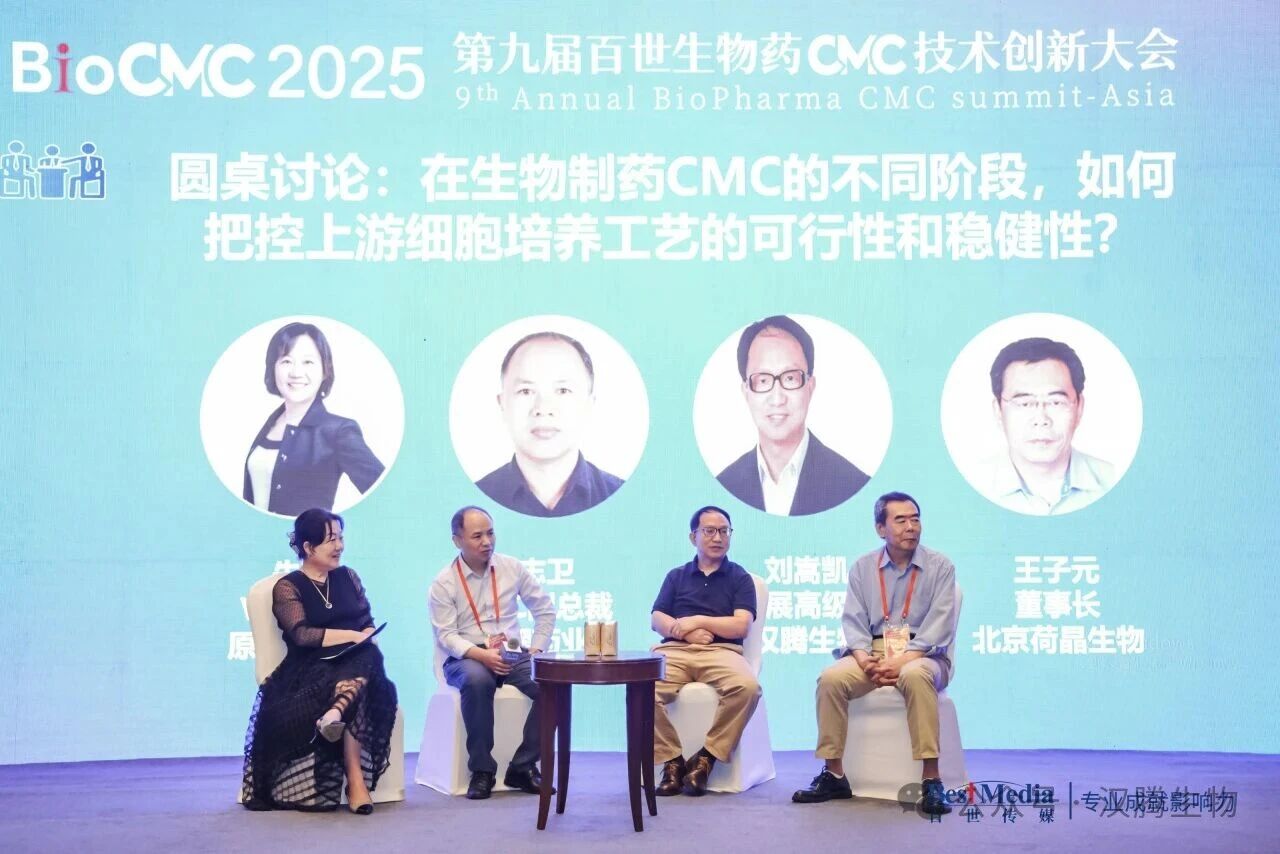
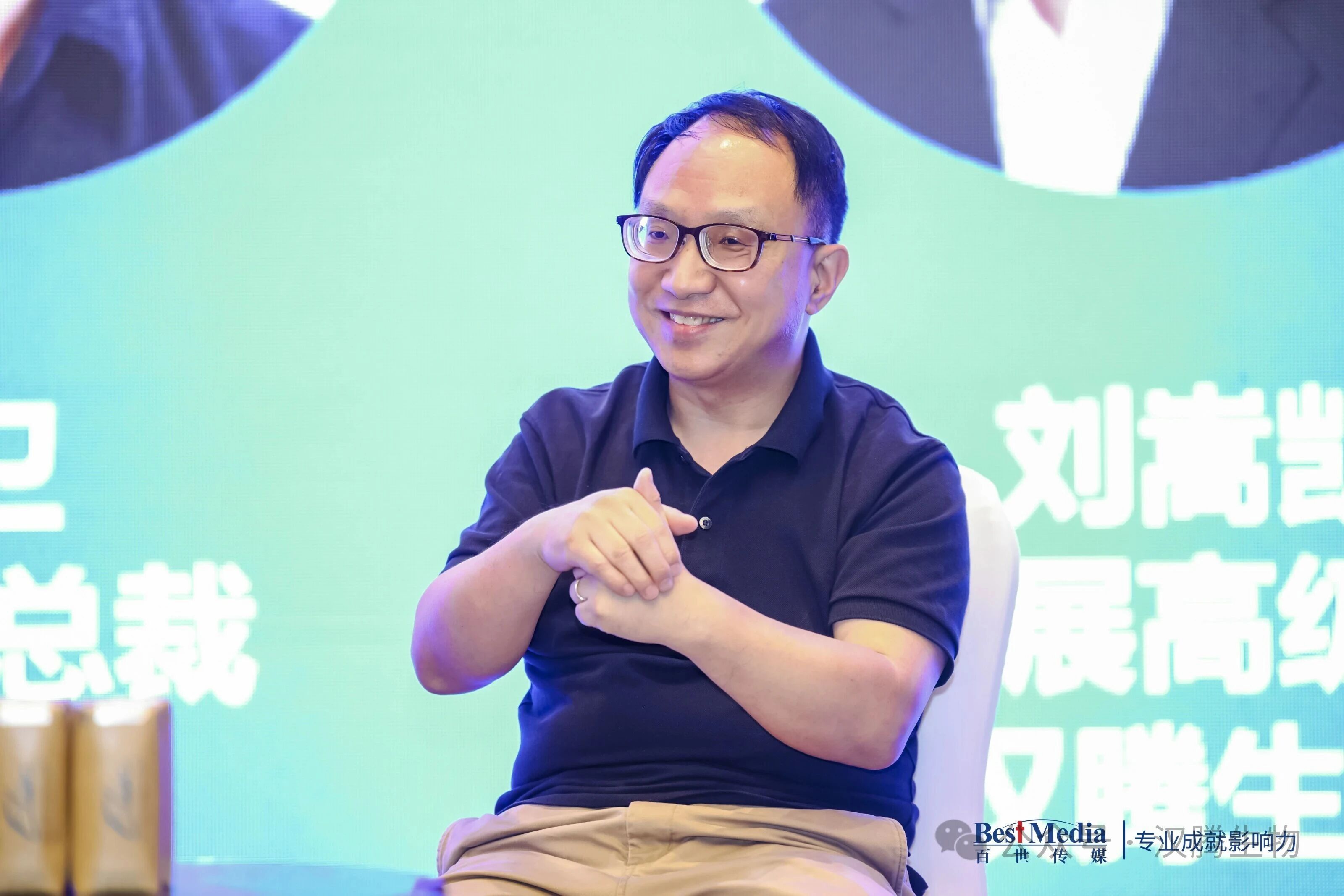
During the roundtable discussion held at 3:30 p.m., Dr. Liu Songkai from Canton Biologics joined industry experts in an in‑depth discussion on the feasibility and robustness of upstream cell culture processes at different stages of biopharmaceutical CMC. The discussion focused on four key dimensions:
-
Cell line development and optimization stage: Experts emphasized that early process parameter ranges should be based on experimental data and historical feedback; deviations must be scientifically justified and shown not to affect product quality or safety.
-
Media selection and quality control: A change in media is considered a major change; the need for additional clinical studies should be assessed, with pharmaceutical comparability studies serving as the core evidence to support the change.
-
Site and scale requirements: Scale‑up from lab to production is not a simple linear relationship; some parameters need re‑optimization. Early establishment of process robustness is recommended.
-
Basis for quality standard optimization: Regarding glycan profile changes, glycosylation can be used as an indicator of process variation. Although absolute control is not necessary, continuous monitoring is required, and the actual impact should be assessed in the context of the mechanism of action (MOA).
Dr. Liu shared Canton Biologics’ practical experience in process performance qualification (PPQ) and lifecycle management, emphasizing a science‑based, clinically‑oriented compliance strategy. He used real‑world cases to illustrate how pharmaceutical comparability studies and non‑clinical bridging experiments can support filing pathways for major process changes.
Conclusion
The 9th BioCMC Conference provided a high‑level technical exchange platform for the biomedical industry, bringing together many industry experts and corporate representatives to discuss cutting‑edge technologies and innovative solutions in biologics CMC. Through this presentation, Canton Biologics not only demonstrated its technical strength and innovative achievements in the CMC development of TCR bispecific fusion proteins but also reaffirmed its firm commitment to advancing innovative therapies from the laboratory to clinical application.
Looking ahead, Canton Biologics will continue to deepen its work in TCR therapy and other innovative biologic fields. Through continuous technological innovation and platform optimization, we aim to provide clients with more efficient and reliable CMC development and manufacturing services. We look forward to partnering with more industry colleagues to jointly drive the development of the biopharmaceutical industry and bring more breakthrough treatment options to patients worldwide.